
Family Caregiving in the United States
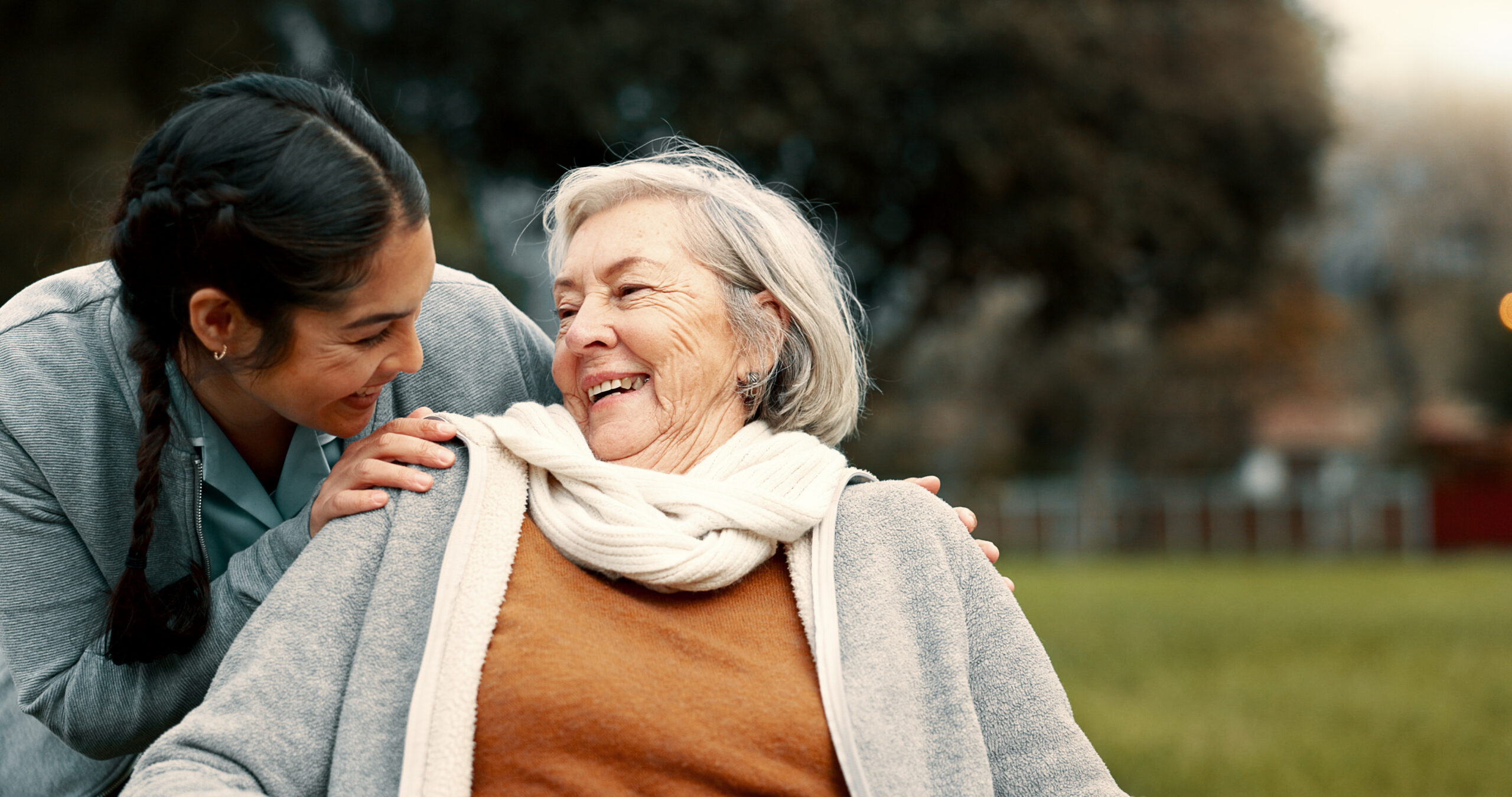
Today, 63 million Americans, nearly one in four adults, are family caregivers, an increase of almost 20 million since 2015.
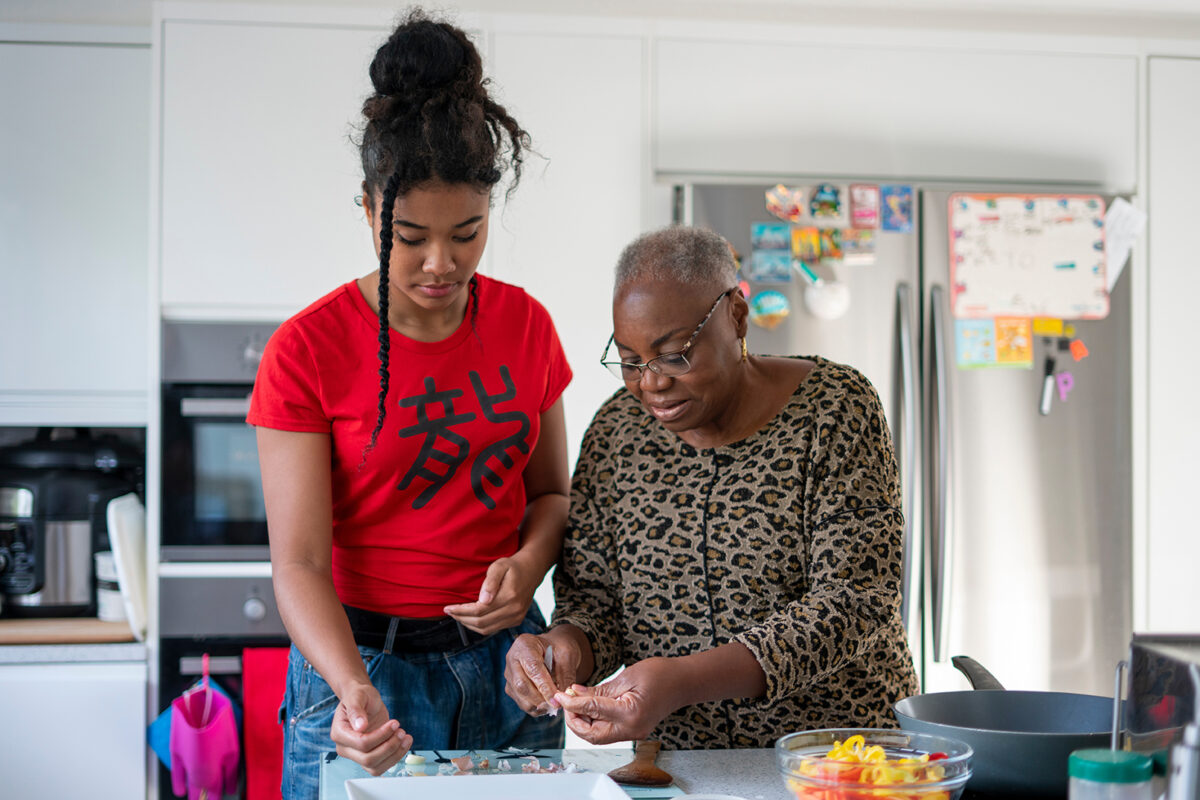
Today’s family caregivers are younger and more diverse than many expect. Nearly half are under age 50, with an average caregiver age of 51. Many are sandwich generation caregivers, balancing care for aging loved ones while working and raising families.
While caregiving can be deeply meaningful, with more than half of caregivers reporting a strong sense of purpose, it also comes with significant challenges. Common caregiving challenges include emotional stress, social isolation, health impacts, and difficulty meeting basic financial needs. At the same time, expanded access to paid family leave and the growing use of technology offer promising opportunities to better support family caregivers nationwide.
Explore the full Caregiving in the U.S. 2025 report, published July 24, 2025 by AARP and the National Alliance for Caregiving.



Family Caregiving in the United States
Today, 63 million Americans, nearly one in four adults, are family caregivers, an increase of almost 20 million since 2015.
Today’s family caregivers are younger and more diverse than many expect. Nearly half are under age 50, with an average caregiver age of 51. Many are sandwich generation caregivers, balancing care for aging loved ones while working and raising families.
While caregiving can be deeply meaningful, with more than half of caregivers reporting a strong sense of purpose, it also comes with significant challenges. Common caregiving challenges include emotional stress, social isolation, health impacts, and difficulty meeting basic financial needs. At the same time, expanded access to paid family leave and the growing use of technology offer promising opportunities to better support family caregivers nationwide.
Explore the full Caregiving in the U.S. 2025 report, published July 24, 2025 by AARP and the National Alliance for Caregiving.
Family Caregiving in the United States
Today, 63 million Americans, nearly one in four adults, are family caregivers, an increase of almost 20 million since 2015.
Today’s family caregivers are younger and more diverse than many expect. Nearly half are under age 50, with an average caregiver age of 51. Many are sandwich generation caregivers, balancing care for aging loved ones while working and raising families.
While caregiving can be deeply meaningful, with more than half of caregivers reporting a strong sense of purpose, it also comes with significant challenges. Common caregiving challenges include emotional stress, social isolation, health impacts, and difficulty meeting basic financial needs. At the same time, expanded access to paid family leave and the growing use of technology offer promising opportunities to better support family caregivers nationwide.
Explore the full Caregiving in the U.S. 2025 report, published July 24, 2025 by AARP and the National Alliance for Caregiving.
About Community Care Corps
Community Care Corps is a national, federally funded grant program that supports family caregivers, older adults, and adults with disabilities through community-based, volunteer nonmedical assistance. Oasis partners with USAging, Caregiver Action Network, and Altarum, in a cooperative agreement with the Administration for Community Living, to implement Community Care Corps nationwide.
The program funds and evaluates innovative local volunteer programs that help individuals maintain independence in home-based and community-based settings. By expanding access to nonmedical assistance, Community Care Corps strengthens caregiving support systems and reduces barriers to independence for people who need help but are unable to obtain it.
The Goals of Community Care Corps
About Community Care Corps
Community Care Corps is a national, federally funded grant program that supports family caregivers, older adults, and adults with disabilities through community-based, volunteer nonmedical assistance. Oasis partners with USAging, Caregiver Action Network, and Altarum, in a cooperative agreement with the Administration for Community Living, to implement Community Care Corps nationwide.
The program funds and evaluates innovative local volunteer programs that help individuals maintain independence in home-based and community-based settings. By expanding access to nonmedical assistance, Community Care Corps strengthens caregiving support systems and reduces barriers to independence for people who need help but are unable to obtain it.
The Goals of Community Care Corps
About Community Care Corps
Community Care Corps is a national, federally funded grant program that supports family caregivers, older adults, and adults with disabilities through community-based, volunteer nonmedical assistance. Oasis partners with USAging, Caregiver Action Network, and Altarum, in a cooperative agreement with the Administration for Community Living, to implement Community Care Corps nationwide.
The program funds and evaluates innovative local volunteer programs that help individuals maintain independence in home-based and community-based settings. By expanding access to nonmedical assistance, Community Care Corps strengthens caregiving support systems and reduces barriers to independence for people who need help but are unable to obtain it.
The Goals of Community Care Corps
To learn more about the grantee organizations funded by Community Care Corps, future funding opportunities, and to view up-to-date reports, click on the ‘Learn More’ button below. To view the press release outlining Community Care Corps’ recent round of grantee awards ($3.5 million), click on the ‘View Press Release’ button below.
To learn more about the grantee organizations funded by Community Care Corps, future funding opportunities, and to view up-to-date reports, click on the ‘Learn More’ button below. To view the press release outlining Community Care Corps’ recent round of grantee awards ($3.5 million), click on the ‘View Press Release’ button below.
To learn more about the grantee organizations funded by Community Care Corps, future funding opportunities, and to view up-to-date reports, click on the ‘Learn More’ button below. To view the press release outlining Community Care Corps’ recent round of grantee awards ($3.5 million), click on the ‘View Press Release’ button below.
Reported Impacts
Community-based, volunteer nonmedical assistance helps older adults and adults with disabilities live safely and independently at home, while also supporting family caregivers. Grantee-reported data show measurable improvements in quality of life for both care recipients and caregivers. View the reported outcomes below.
Care Recipient Reported Outcomes
Caregivers Reported Outcomes
Many caregivers cited respite as critical for reducing stress and sustaining their caregiving role.